Is Bearded Dragon Shedding Bugging You? Fixes You Need Today
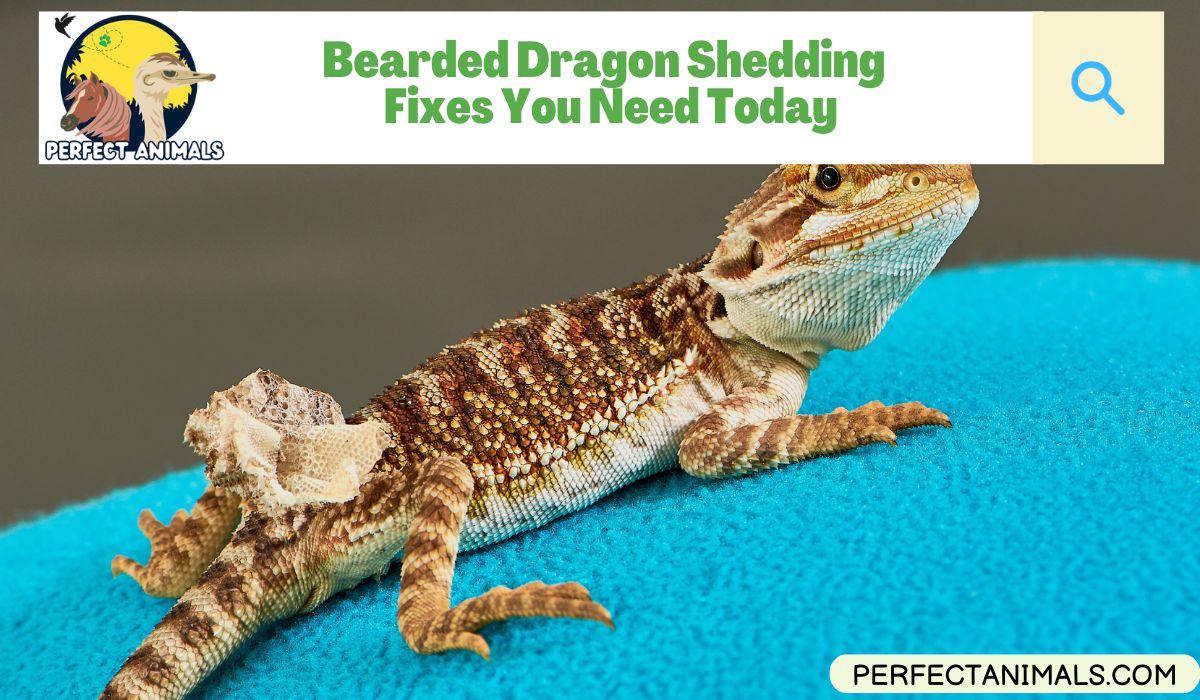
Shedding skin is a natural part of a bearded dragon’s life cycle.
As bearded dragons grow, their skin becomes too tight and needs to be replaced with larger skin to accommodate their increasing size.
This process is called shedding or molting, and it’s perfectly normal for a healthy bearded dragon.
In this article, we’ll explore everything you need to know about bearded dragon shedding.
We’ll cover how often they shed, what the shedding process looks like, signs your dragon is ready to shed, and how to care for your lizard while they are shedding their skin.
Shedding is not something to worry about, but rather a milestone to celebrate as your bearded dragon grows!
Why Do Bearded Dragons Shed?
Bearded dragons shed their skin for a few reasons.
First, as they grow, their existing skin becomes too tight and restrictive. Lizards can’t grow or get larger unless they shed their outer layer of skin for a bigger one.
Second, shedding helps get rid of any built-up bacteria or external parasites.
By molting old skin, bearded dragons emerge fresh, clean, and free of dirt or debris that collects on the old skin.
Shedding is also important for maintaining proper moisture levels in a bearded dragon’s skin.
Their outer skin layer contains keratin and lipids that help retain water.
Over time, this layer can become dry and damaged. Shedding restores the keratin and replaces the lipids, acting like a moisturizing treatment for lizard skin.
So, the shedding process allows bearded dragons to grow, eliminates bacteria and pests, and keeps their skin hydrated and healthy.
It’s a completely normal part of their development.
Related Article – Bearded Dragon Tail Rot
How Often Do Bearded Dragons Shed?
When bearded dragons are very young, between 0-6 months old, they shed almost weekly.
This frequent shedding occurs because baby bearded dragons are rapidly growing during this stage, and their skin can’t keep up with their growth spurt.
As they mature between 6-12 months old, their growth slows down, so they only need to shed every other week or so.
The shedding frequency continues to decrease as they reach 12-18 months old. At this juvenile stage, they shed about every other month.
Once bearded dragons reach maturity after 18 months, their growth levels out.
At this point, they only need to shed a couple of times per year to maintain healthy skin.
Their shedding schedule is much less frequent than during the first year of rapid development.
So in general, the younger a bearded dragon is, the more often they will shed due to fast growth.
As they reach adulthood, there’s less new skin needed and shedding slows down significantly.
Just keep an eye on your dragon’s development stage to determine what to expect in terms of shedding frequency.
How Do You Know Your Bearded Dragon Shedding?
You can tell your bearded dragon is ready to shed its skin if you notice some common signs.
Bearded dragon skin is made of tough keratin scales that don’t stretch as the lizard grows.
So the old skin needs to be replaced through a process called ecdysis.
Here are some clues that your bearded dragon is ready to.
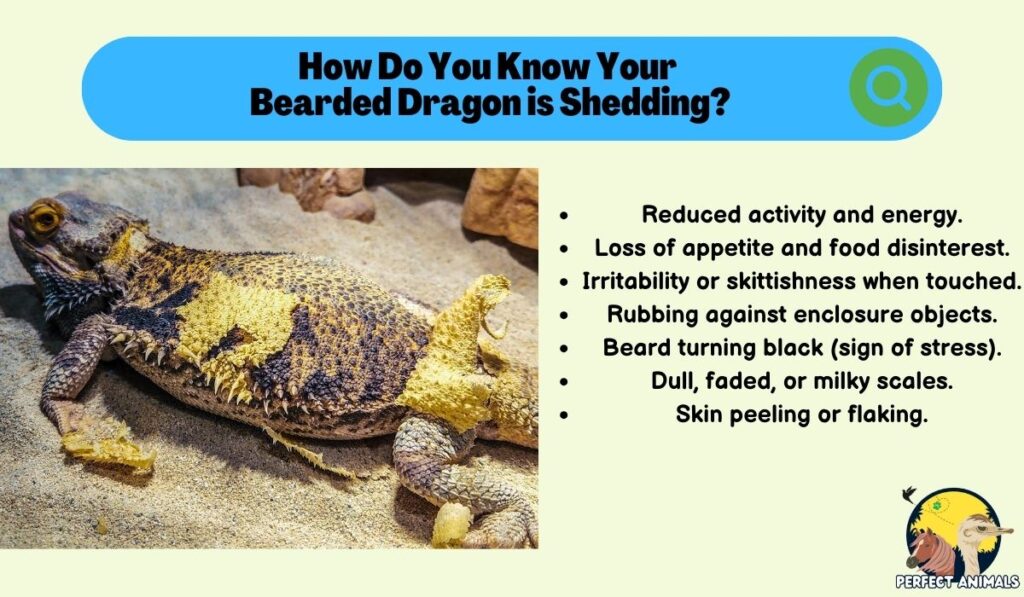
- Lethargy or less activity
- Decreased appetite or lack of interest in food
- Irritability or skittish behavior when handled
- Rubbing against objects in their enclosure
- Turning their beard black, which signals stress or discomfort
- Refusing to be handled or acting aggressive
- Dull, faded, or milky-colored scales
- Small patches of skin beginning to peel or flake off
These signs indicate your bearded dragon is uncomfortable in their old skin and getting ready to shed.
It’s a normal process that helps them emerge healthy, vibrant, and able to grow.
Keep an eye out for these shedding clues so you can support your dragon during this transition.
Related Article – Scale Rot, Uncover the Deadly Truth
What Should You Do When Your Bearded Dragon Sheds?
When your bearded dragon starts the shedding process, there are a few things you can do to help them through it comfortably.
With some extra care and tweaks to their environment, you can support your dragon while they molt.
Provide a Warm Bath
A 10-15 minute soak in shallow warm water can help loosen stuck skin and hydrate your dragon during this dry process.
Make sure the water is at a comfortable temperature.
Increase Humidity
Boost the humidity in the tank to around 40-50% to prevent stuck shed skin.
You can mist the enclosure daily or provide a humid hide.
Soften Loose Skin
Use a wet cloth or Q-tip to gently rub and roll back any loose pieces of skin, but don’t pull hard.
Let the skin come off naturally.
Avoid Handling
Give your bearded dragon space while they are irritable and shedding.
Handling can stress them out and hurt tender new skin.
Provide Rough Surfaces
Add branches, rocks, or logs for your dragon to rub against to help remove skin.
A textured surface provides friction.
Offer Food and Water
Keep fresh greens, vegetables, and clean water available in case your dragon is hungry or thirsty after shedding. Stay alert for appetite changes.
Watch for Retained Shed
If any unshed skin remains, especially around the toes or tail, seek vet assistance to avoid decreased blood flow.
With some extra moisture, time alone, and patience, your bearded dragon should complete their shed smoothly. Contact a reptile vet if you have any concerns.
You May Also Like – Getting a Cuban False Chameleon. Read This NOW!
Why Is My Bearded Dragon Not Shedding?
There are several reasons why your bearded dragon may not be shedding properly or at all.
One of the most common causes is low humidity in the tank environment.
Bearded dragon skin needs a humidity level of 40-50% to shed effectively. If the air is too dry, the old skin can get stuck and fail to peel off.
Try misting the tank daily or providing a humid hide to help boost shedding humidity.
Another factor that can contribute to shedding issues is a lack of rough surfaces in the enclosure for your dragon to rub against.
Logs, branches, rocks, and other textured items provide the friction beardies need to slough off their skin during a shed. Without those abrasive surfaces, loose skin has no way to come off cleanly.
Add some different textured items around your dragon’s habitat.
Other potential causes include poor nutrition from inadequate diet or lack of vitamins, dehydration from insufficient drinking water, and use of certain oily skin products.
An underlying health problem or incorrect tank temperatures could also be preventing proper shedding.
If your bearded dragon is having abnormal shedding cycles or not shedding at all, start by reviewing their husbandry setup and environment.
Make any needed adjustments like increasing humidity.
If problems persist beyond 2-3 cycles, contact your exotic vet to rule out medical issues.
With some tweaks, you can get your dragon’s shedding back on track.
You May Also Like – Blue Eyed Leucistic Ball Pythons
Do Bearded Dragons Stop Eating When Shedding?
It’s common for bearded dragons to eat less while shedding their skin.
As the old skin gets tight and uncomfortable, dragons become more lethargic and their appetite decreases.
Eating requires energy that they divert to the exhausting shedding process.
Additionally, flaky skin around a dragon’s mouth may make eating difficult or unappealing.
While a slowed appetite is normal, dragons should not completely stop eating while shedding.
Make sure fresh greens and vegetables are available in case they get hungry.
Monitor their eating habits and contact your vet if loss of appetite extends too long after shedding.
With the right care, your dragon’s regular appetite should bounce back within a couple of days post-shed.
So provide support and keep an eye on their eating during this transitional time.
Do Bearded Dragons Like Baths When Shedding?
Baths can be very beneficial and soothing for bearded dragons when they are shedding their skin.
The warm water helps soften and loosen the old skin so it can come off more easily. The moisture also hydrates skin that can get extremely dry and flaky during a shed.
Additionally, baths simply feel good on irritable skin that is being replaced.
The water buoyancy offers relief to tender areas and minimizes contact with abrasive surfaces in their enclosure.
Even just the ambient humidity above the bath can provide comfort.
Many dragons appear more relaxed and content when soaking in a shallow bath while shedding.
You may see them close their eyes, stretch out, or become still as the moisture works its magic.
As long as the water temperature is monitored and kept pleasantly warm, most bearded dragons will enjoy the supportive soak during this sensitive process.
It can accelerate shedding and get your dragon back to their happy, energetic self more quickly.
You May Also Like – Albino Ball Python
Final Thoughts
Shedding is a natural part of owning a bearded dragon that signals growth and development.
While it may seem worrying at first, with proper husbandry and care, pet owners can ensure the process goes smoothly each time.
Provide an environment with adequate humidity, nutrition, hydration, and textures to help your dragon through all their sheds.
Monitor for signs like dulling scales and irritability so you can respond appropriately.
With some supplemental soaks, space, and TLC during shedding seasons, your bearded dragon will stay comfortable even as they outgrow their skin.
Shedding frequency varies based on age, but will decrease as your dragon matures.
Remember that each dragon has unique shedding needs too.
Stay observant of your pet’s habits and seek vet advice if sheds become problematic.
With time, you will become an expert at supporting your bearded dragon through their shedding cycles.
Your dedication will help your thriving dragon continue to grow into their gloriously bearded selves.
Resources – (for further reading)
vcahospitals.com – Bearded Dragons – Diseases – VCA Animal Hospitals
University of California, Davis – Bearded Dragon Care – Animal Health Topics
University of Illinois Urbana-Champaign – Fungal Infection in a Bearded Dragon

Maya’s love for reptiles started in her teens with a pet snake. It grew into a collection of geckos, snakes, and more. She also cares for birds and cats, making a cozy home menagerie.